
Sustainable Choices That Improve Livability
Sustainability has become an essential part of modern living, influencing the way homes are designed, built, and maintained. Today’s homeowners are increasingly looking for ways to create spaces that are not only stylish and functional but also environmentally responsible. Sustainable choices in home design can significantly improve livability by enhancing comfort, reducing energy consumption, and promoting healthier indoor environments.
One of the most impactful sustainable decisions homeowners can make is selecting eco-friendly materials. Natural and renewable materials such as bamboo, reclaimed wood, cork, and recycled metals are excellent alternatives to traditional construction materials. These options reduce environmental impact while adding warmth and texture to interior spaces. In addition, sustainable materials are often more durable, making them a long-term investment for homeowners who want both beauty and longevity.

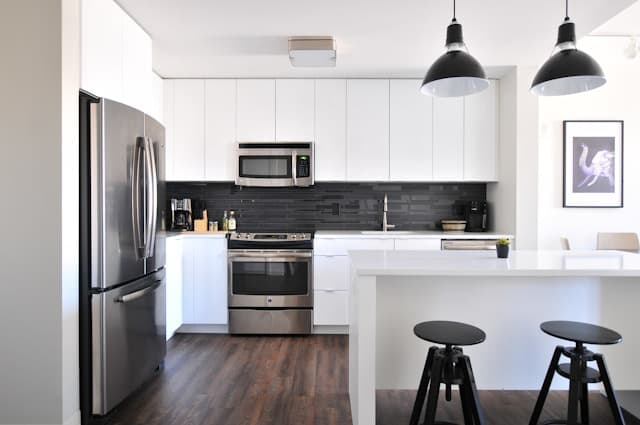
Energy efficiency is another key component of sustainable living. Modern homes can significantly reduce their energy consumption by incorporating energy-efficient appliances, LED lighting, and well-insulated walls and windows. Natural daylight can also play an important role in reducing electricity use. Large windows, skylights, and open layouts allow sunlight to illuminate living spaces during the day, creating brighter and more inviting interiors while lowering energy costs.
Indoor air quality is another important factor that directly affects livability. Many conventional building materials and paints release harmful chemicals into the air. Choosing low-VOC paints, natural finishes, and non-toxic materials can help maintain a healthier indoor environment. Adding indoor plants can further enhance air quality while bringing a refreshing natural element into the home.
Water conservation is also an essential part of sustainable design. Installing water-efficient fixtures such as low-flow showerheads, dual-flush toilets, and smart irrigation systems can significantly reduce water waste. Rainwater harvesting and greywater recycling systems are also becoming popular solutions for environmentally conscious homeowners who want to reduce their reliance on municipal water sources.
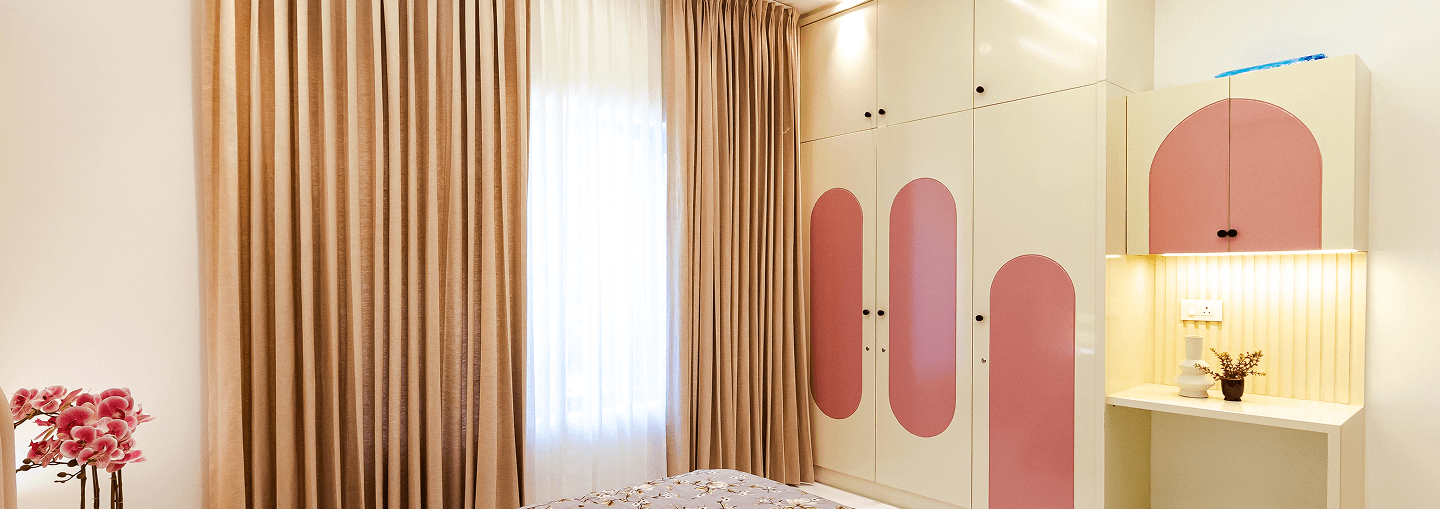
Sustainable homes also focus on thoughtful spatial planning. Designing multifunctional spaces allows homeowners to make better use of available space without unnecessary expansion. For example, a living room can include a small workspace, or a dining area can double as a family activity zone. These flexible spaces support modern lifestyles while reducing the need for larger homes and additional resources.
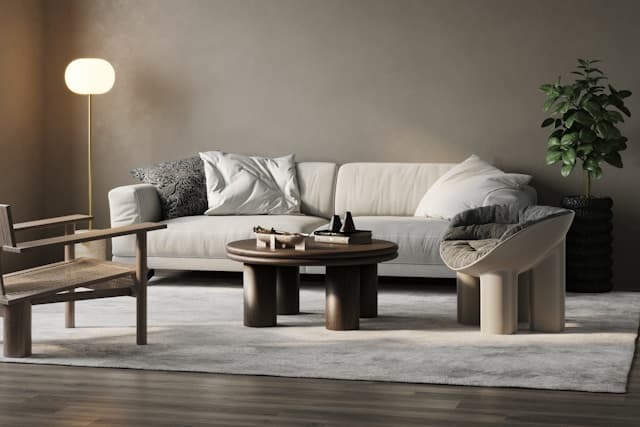
Furniture and decor choices can also contribute to sustainability. Investing in high-quality furniture that lasts for many years reduces waste and promotes responsible consumption. Vintage or refurbished furniture pieces add character and uniqueness to a space while minimizing environmental impact. Similarly, choosing natural fabrics such as cotton, wool, or linen creates a comfortable and eco-friendly atmosphere.
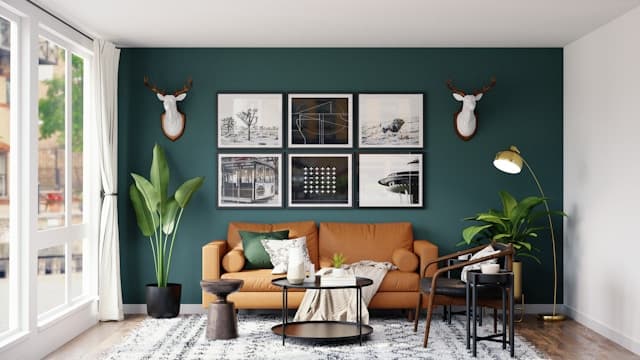
Another growing trend in sustainable design is integrating greenery into living spaces. Indoor gardens, balcony plants, and small herb gardens can improve air quality and create a calming connection to nature. Even simple additions such as potted plants or vertical garden walls can transform interiors into more vibrant and refreshing environments.
Ultimately, sustainable choices are not just about protecting the environment—they are about improving everyday life. Homes designed with sustainability in mind are often healthier, more efficient, and more enjoyable to live in. By combining eco-friendly materials, energy-efficient solutions, and thoughtful design strategies, homeowners can create living spaces that support both personal well-being and environmental responsibility.
In the long run, sustainable living is about balance. When homes are designed to respect both nature and human comfort, they become spaces that truly enhance livability while contributing to a more sustainable future.